It has been a new tradition for me to take as many pictures with the kids as possible when we are out. They really grow up very fast and I don’t want to miss any part in documenting their childhood.
Tiger girl and me at the bowling alley
I want to look back with them and see that we have made many many memories together as they were growing up. The pictures that we take take will remind the moments we had having fun together.
Tiger girl and me on a playdate
I want them to look back and see that I had always been around with them and for them. Creating different memories with them which will last them throughout their life.
Tiger girl and me
Most of the time it is me behind the camera however now with the invention of the front facing camera phone it is easy for me to be in the photograph with them.
Tiger girl and me again
It is easy for me to document the place and activities that the kids and me do together.
Last weekend I had a really fun time at a Chocolate Tempering Solution Workshop conducted by the Chocolate Academy.
During the 4 hr long workshop I learnt about the 4 different methods of Chocolate tempering- Tabling, Seeding, Microwave and Mycryo.
The workbook we were given
It was really interesting to learn that it takes at least 7 days for the fermentation of the cacao beans to occur and that from the beans it is made into cocoa paste & cocoa mass.
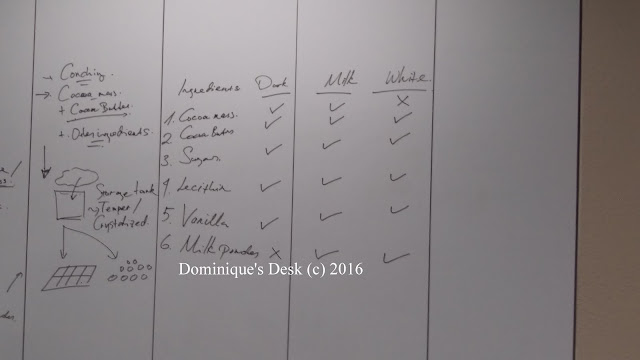
Part of the notes we were given during class
I learnt about the difference in composition between Dark chocolate, White chocolate and Milk chocolate. White chocolate didn’t have cocoa mass in it while Dark chocolate omitted the use of milk powder in the mixture.
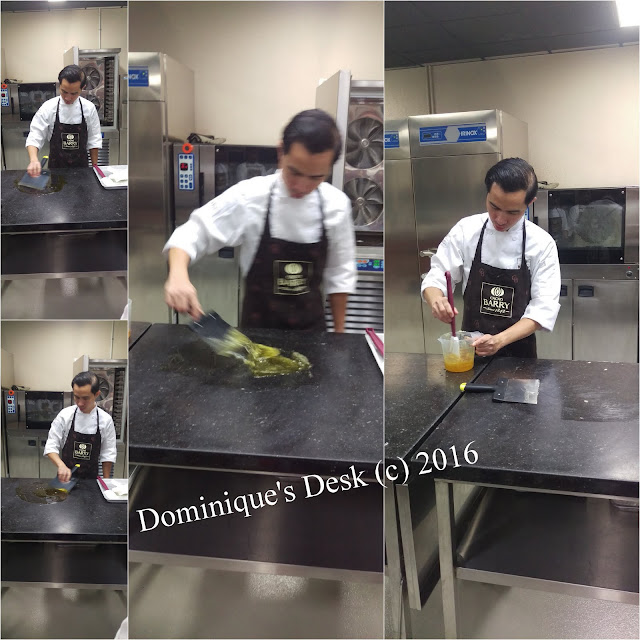
The chef demonstrating the tabling method
The first method of Chocolate tempering done by Chef Agus was Tabling which was demonstrated on a marbled work station. He heated up the chocolate in a warmer overnight to a temperature of a maximum of 50 degrees Celsius (for Dark Chocolate).
This mixture was poured onto the table and using special spatulas he quickly moved the chocolate from one side to the other. The movement caused the crystalisation within the mixture making it tempered.
He made it look easy and effortless but it was not as easy as it seemed. My group failed at it twice and had to redo it so that chocolate could reach the ideal stage. I guess it too needs experience and practice.
There are optimal temperatures which the different chocolate mixtures had to be brought to for optimal tempering.
Dark Chocolate: 32-34 degrees Celsius
White Chocolate: 28-29 degrees Celsius
Milk Chocolate : 29-30 degrees Celsius
During the tempering process crystals within the chocolate mixture is multiplying making it easier to take shape to the mold used.
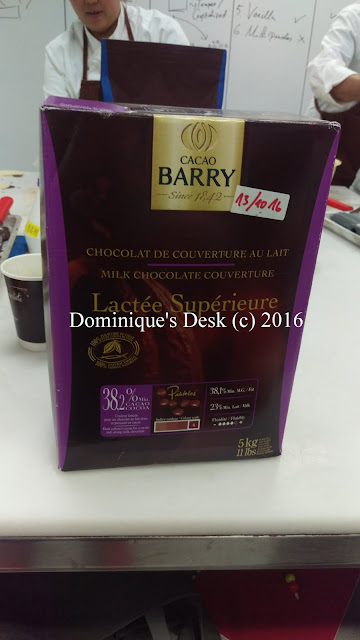
The Milk chocolate that we used
During the Seeding process one had to add 25% of un-melted tempered chocolate to the melted chocolate. This will “re-active” the crystallization process and make it into workable chocolate.
The 3rd method I learned that day was the Microwave method. It seemed the easiest method but was the most cumbersome by far. This method only worked with new chocolate and I had to do it step by step working with 20 seconds intervals to ensure that the chocolate is not burnt in the process.
The last method I learned was using Mycryo ( which is a type of powdered cocoa butter) which was added into the chocolate mixture to temper it. About 1% of this substance is added in the mixture to stimulate the crystallization process.
This method is recommended for small quantities of chocolate as Mycryo is really costly to use.
The products the class made
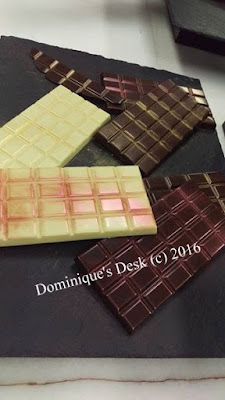
After the 4 hour session these are the products that we created – bar chocolates and chocolate lollies.
A close up of the bar chocolates
The chocolate lollipops
These chocolate lollipops had printed edible imprints on it which really looked lovely. They tasted equally good too!!
Have you tried making chocolates before?
Disclaimer: I paid for the course as I was interested to learn more about tempering chocolate.